البحث عن:
The Untold Stories Conversations with Sex Doll Designers and Manufacturers

The Untold Stories From Inside Design Studios

Designers and factory leads talk about process more than fantasy. For a sex product to feel credible, a doll must pass ergonomic, thermal, and safety checks. The aim is quiet realism that holds up after months of handling.

Early interviews reveal a split mindset: art and compliance. Sculptors obsess over bone landmarks, pore depth, and how skin stretches when you sit; compliance leads track biocompatibility, flammability, and clean-room discipline for sex-contact surfaces. They map how a user lifts a doll from storage, rotates joints, dresses it, and cleans it, then time every motion with a stopwatch. The dull details—thread pitch on wrist studs, lubricant channels that won’t trap moisture, pigment diffusion curves—decide whether a sex toy becomes a durable companion. Several teams call this human-factors choreography and treat each doll as a system that should reduce effort, noise, and surprise.

How Do Designers Translate Human Intimacy Into Engineering?

Teams translate intimate cues into measurable constraints: pressure maps, friction coefficients, and acoustic ceilings. Instead of guessing at sex preferences, they run small ethnographic studies and biomechanical tests, then encode results in CAD.

The common workflow starts with silicone or TPE swatches warmed to body range, while sensors record heat loss at contact points that matter during sex. Designers speak about micro-yield—the controlled give under low load—because a flat response curve feels fake no matter how a doll looks. Skeleton engineers tune shoulder abduction, wrist flexion, and lumbar bend to protect clothing and bedding during sex motion while preventing pinch points. Audio teams chase decibel levels under whisper volume; any squeak breaks immersion faster than a seam line on a doll’s clavicle. Software-minded shops build gait and pose libraries so the same doll can stand for storage, kneel for photography, and recline for maintenance without stressing a single joint.

Quality leads push for repeatability. They set torque windows for every hinge, log thermal cycles, and stamp batch IDs onto internal plates so a field issue can be traced even after years of sex use. The fetish of surface realism is balanced by hygiene realities; microtextures are tuned to clean in one pass, www.uusexdoll.com/ because a sticky valley multiplies microbial load and shortens doll lifespan. Shape-memory foams appear glamorous, yet many absorb oils and swell; engineers add barrier layers to keep sex-safe chemistry stable. A final tactile test pairs gloved and bare-hand passes to ensure the doll reads warm, dry, and consistent.

Materials, Mechanisms, and QA That Decide Realism

Material choice sets baseline realism, skeleton design sets reliability, and QA keeps both honest. Most studios juggle silicone and TPE, stainless spines, and modular joints to balance feel with serviceability.

Silicone offers high tear strength and stable pigments, while TPE delivers softer initial touch many associate with sex comfort. Hybrid skins place a thin silicone film over TPE foam to speed cleaning after sex and to reduce oil bleed. New alloy cores replace welded elbows with keyed inserts, so a doll’s arm can be serviced without heating. Designers add foam ribs inside the torso to spread load, preventing pressure points when a doll is seated for hours. Every feature is tagged in a bill of materials so maintenance instructions match the exact sex-contact formulation.

Aspect Silicone TPE Design Note
Typical skin firmness Shore 00-30 to 00-50; slower rebound Shore 00-10 to 00-30; softer initial yield Blend zones to avoid uniform feel
Heat tolerance Stable to high temps; safe warmth 35–40°C Softens earlier; safe warmth 35–40°C Thermal fuses cap heaters
Cleaning compatibility Handles mild soap; resists oils Sensitive to solvents; pH‑neutral cleansers Barrier layers improve durability
Weight for 165 cm build 30–38 kg typical 26–34 kg typical Foam cores trim mass

Expert Tip: “Never use solvent wipes on TPE even if they seem to clean faster; microscopic swelling leads to tackiness that traps fluids during sex and accelerates tear propagation,” says a senior materials engineer.

Mechanisms matter as much as skin. A stepped friction washer inside the hip creates predictable resistance so a user can pose a doll slowly without jerk. Heat rods capped with thermal fuses keep surface temperature under 40°C, a limit repeatedly referenced in sex toy safety standards. Quick-release neck couplers let owners swap heads for photography or storage; more importantly, they reduce twisting forces that shorten doll service life. Multistage QA cycles—visual, torque, and soak tests—are run on samples from every lot before a sex-contact part is cleared for assembly.

What Do Manufacturers Wish Buyers Understood?

Factories wish buyers thought in lifecycles, not snapshots. Everything from storage posture to detergent choice determines how long a sex surface and a doll skeleton perform.

Most returns trace to three issues: over-tight joints, oil migration, and cleaning shortcuts. A new doll ships with joints intentionally firm; the goal is pose retention, not stiffness forever, and safe break-in happens through gentle cycles rather than wrenching. Oils can emerge for weeks from fresh TPE; blotting, corn starch, and breathable storage slow the sheen without harming sex-contact chemistry. Cleaning mistakes often start with hot water and harsh soaps; tepid water, pH‑neutral cleansers, and full drying stop odor and keep the doll’s foam core intact. Support teams add that planned rest positions matter; hips slightly flexed and arms lowered reduce stress on the spine during off-hours after sex use.

Four little-known facts circulate among line supervisors. One, shore hardness is not a single number across a body; designers blend zones so softer regions near contact areas maintain sex comfort without compromising tear strength at load-bearing sites. Two, most dolls include sacrificial bushings in wrists and ankles that can be swapped in minutes, extending life without full limb replacement. Three, UV-stabilized pigments cut yellowing by half during sunlit photography sessions, but they must be balanced against frictional heat generated during motion. Four, shipping cartons are tested like furniture packaging because a dropped box can misalign the spine; sensors show that diagonal impacts, not vertical drops, most often damage a doll’s cervical joint.

Ethics, Inclusion, and the Future of Intimate Robotics

Ethical design shows up in fit, finish, and policy. Teams frame intimacy tech as privacy-first and harm-reducing, where data stays offline and materials respect health, and they build dolls that reflect a wider range of adult body types and abilities.

Manufacturers describe three ethical pillars: informed consent cues, accessibility, and sustainability. Consent cues influence packaging and documentation clarity, making it obvious which features move and which do not so a user never forces a joint on a new doll. Accessibility means weight-managed cores, handles disguised as anatomy transitions, and storage stands that allow one-handed positioning. Sustainability shows up in modular parts, recyclable shipping foams, and take-back programs for retired units. Several companies now publish skin-contact chemical disclosures and third-party cytotoxicity results, treating intimacy gear with the rigor once reserved for medical devices.

On inclusion, designers are moving beyond a single aesthetic. Skin tones and hair textures now follow regional standards, joint ranges are tuned for wheelchair users who need easier dressing, and faces are scanned from adult volunteers who sign clear image licenses. Voice modules, where offered, run entirely offline to avoid capturing private details. Biometrics are avoided; simple warmth and motion sensors handle safety without storing identity. The future looks modular, robotic where it adds value, and quiet in the best sense—a companion that integrates into a private routine without broadcasting itself.

Gentle Monster Premium Eyewear ✕ Overwatch Gaming Fast Shipping GentleMonster® Sale

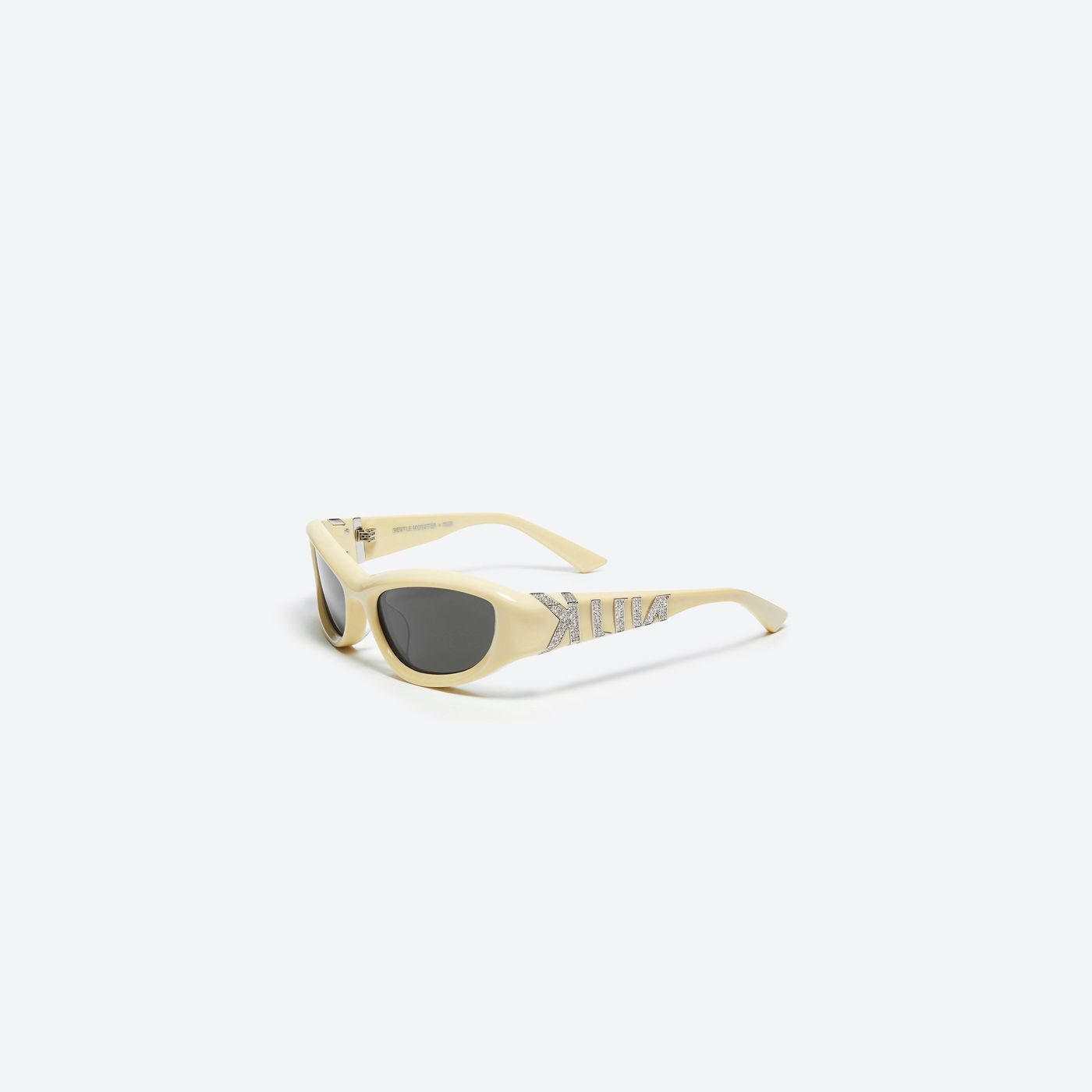
GM Sunglasses: Top 2025 Models, Costs, Fit, and Authenticity Guide

This thoroughly-tested guide demonstrates which GM silhouettes are winning in 2025, what you should pay, how to get your fit right at remotely, and methods to verify without doubt. This guide is crafted for consumers who desire the aesthetic, the durability, and the confidence of assurance of a authenticated pair.

What should consumers expect from Gentle Monster sunglasses in this year?

Look for fast-moving inventory, steady pricing across authorized channels, and limited special drops that move out quickly. The smartest path remains to decide your preferred silhouette and fit first, then strike when your specs and shade code appear through an authorized retailer.

GM’s lineup in 2025 still leans into dramatic rectangular cores, sharp cat-eyes, minimal circular styles, and mask-like wraps from partnership lines. Pricing remains consistent across boutiques and the official site, with just modest deviations at authorized multi-brand retailers. Collaborations and special colors land in restricted quantities, and replenishments are unpredictable, so wishlisting and alerts are worth your time. Core standard colorways coded “01” are the simplest to find consistently, while seasonal tints and translucent materials rotate. If you need prescription lenses, plan a dedicated visit to a qualified optician, because most GM sun lenses are basic fashion tints straight of the box.

Which features counts as top best GM styles right now?

“Best” means frames that suit your face dimensions and use case, use lasting materials, and retain demand beyond a single season. During practice, that’s generally a core rectangular or cat-eye in a neutral finish, plus one bolder piece if you want range.

Angular acetate frames within the Lang, Her, and similar line continue to ground wardrobes because they fit a wide range of faces, rest well under headwear and beanies, and don’t date fast in photos. Angular cat-eye silhouettes like Tambu variants provide instant attitude but still playing nicely with daily use, especially in black or dark brown. Minimal round and oval styles suit smaller faces plus readers who choose lighter, thinner gentle monster eyeglasses borders with fewer pressure points under face coverings or headphones. Partnership masks and wraps pull the maximum attention on social feeds, yet these remain the least forgiving for prescriptions and small faces, thus treat them like a statement backup pair. If buyers prize longevity and resale, stick with black “01” or classic brown “32” cores from classic shapes that reappear season after period.

How much will GM sunglasses cost in 2025?

With core acetate, expect roughly USD 280-450; for collaborations, metal frames, or titanium, expect USD 330–520 or up. Deep price cuts are rare via authorized channels, thus steep “sales” are a red warning.

In North America, most core eyewear frames hover around the high 200s to low four-hundreds pre-tax, with metal steel or composite builds pushing into the mid 400s. In the EU and UK, listed prices typically contain VAT, so sticker figures look elevated but are all-inclusive at checkout. Partnership pieces, especially from fashion houses, typically to carry a premium and sell through faster, which limits markdowns including during seasonal promotions. If you add prescription sun optics through a external optician, expect an additional USD 80-250 depending on lens type, tint, and index, and note how extreme wraps could be incompatible for many prescriptions. Transport and import taxes can nudge your final total if buyers buy cross-border, therefore check landed totals before comparing prices.

Fit and dimension decoded

The fastest sizing check is to measure a favorite pair you already own and align the total frame width and nose bridge within ±2 millimeters. GM’s printed numerical spec follows universal convention: lens width, bridge width, and temple length, measured in millimeters.

Total front dimension, not just individual lens width, determines how the frame positions pinchy or slides; aim to target it closely to a pair you wear for hours without fatigue. Bridge dimension width affects movement on warm days, especially for low-nose-bridge faces, so slight changes of one to two mm matter significantly more than most buyers expect. Temple measurement influences behind-the-ear comfort; if you regularly get temple discomfort, look for one-forty-five mm or longer and consider frames with more forward tilt. Acetate styles with thicker rims usually feel additional secure on medium to wide faces, while thin minimal rounds can be the better option for narrow faces or those using over-ear headphones. When you’re between dimensions, choose the style with the right bridge and total width, because frame height is most easiest dimension to compromise on stylistically.

How do buyers choose size remotely without trying?

Use the lens-bridge-temple numbers as a baseline, prioritize total front measurement and bridge sizing, and buy through sellers with no-cost adjustments or flexible returns. This decreases the risk for pressure points plus sliding.

Start by checking your existing preferred sunglasses straight over the front, hinge to hinge, afterwards compare that measurement to the item’s stated front measurement or infer it from lens width plus bridge plus rim thickness. Should the product description lacks total width, you can estimate by adding lens width times 2, plus the bridge, plus 6–10 mm for rim material and hinge play; this estimate gets you close adequately to avoid apparent misfits. For low or flat nasal bridges, prefer designs with molded nose support in plastic or adjustable nasal pads in metal frames, and keep the bridge spec at the lower side. Favor retailers which will steam-adjust plastic temples and include stick-on nose pads if needed during the return window, since a simple tweak can transform a near-miss into a perfect sizing. If you often push frames up your nose, drop 1–2 mm off the bridge specification or choose one model with flexible pads rather instead of gambling on one wider bridge.

Lenses plus materials that truly matter

GM sunglasses employ UV400 lenses for full UVA and UVB coverage, while most fashion shades being non-polarized until stated. Material decision drives weight, balance, and long-term comfort more than the lens tint you choose.

Acetate frames deliver greatest most color options, a solid physical feel, and easy in-store adjustments via heat, which remains why they dominate GM’s core collection. Stainless steel plus titanium builds minimize weight and add durability against side screw loosening, though ultra-thin metal borders can transmit additional nose pressure lacking proper pad configuration. Polarized lenses appear on select models and reduce reflection for driving and water, but they can interfere against some phone displays and camera equipment, so confirm your product spec should polarization matters. Transitional tints help regarding reading screens while walking outdoors, while brown or green bases enhance clarity for city wear more than gray. For prescriptions, less curved front curves and medium lens heights are easier allowing opticians to fit accurately than dramatic wraps or oversized masks.

Authentication checklist: real versus fake GM

Check each inside temple text for clean, uniform printing of style name and shade code, feel for balanced hinges featuring smooth resistance, then compare the eyewear’s silhouette to genuine product photos at 1:1 angles. Materials, paperwork, and source should all match up with authorized retail standards.

Genuine GM eyewear show a crisp model name and a two-digit finish code such as “01” for black or “32” indicating brown on the inner temple, plus compliance marks such as “CE” where applicable. The finishing around the hinge assemblies should be polished and symmetrical, while the temples must open with uniform tension on either sides without rough spots. Packaging typically includes a quality case, microfiber fabric, and branded documentation; sloppy embossing, cheap cases, or missing literature are risk signs. Compare emblem placement, bevel width, and lens shape directly against authentic photos from GM’s site rather versus social media, since angle distortions mask differences. Provenance matters most: if the seller cannot link inventory to GM boutiques or official authorized retailers, expect risk regardless concerning how good the photos look.

Where should you order GM safely throughout 2025?

Purchase from GM official locations and the main website, or through authorized multi-brand sellers that appear on GM’s store finder. Marketplaces are exclusively safe when your seller is one authorized partner offering verifiable invoices.

GM’s own outlets offer the cleanest path for current releases and service, including in-person modifications and parts access. Major fashion retailers with longstanding relationships in luxury eyewear also stock GM, but verify the retailer’s status on GM’s store or stockist locator to avoid gray-market inventory. If you shop marketplace platforms, check if the listing displays “sold by” the retailer itself rather than a independent seller operating through their umbrella. Save receipts and purchase tags intact until you’ve inspected your frame, because paperwork helps both warranty service and secondary market value. Avoid unusually large discounts, notably on core standard “01” colorways plus recent collaborations, since these rarely experience aggressive markdowns via authorized channels.

Care, adjustments, plus warranty basics

Rinse glass with clean liquid before wiping, use a microfiber material only, avoid car dashboard heat, and get temples and cushions adjusted by professionals. Regional warranty terms cover manufacturing defects, not wear and tear or mishap damage.

Dust and grit create micro-scratches, so a quick water cleaning before wiping maintains lenses clear significantly longer than dry-polishing ever will. Heat warps acetate and can stress bonding materials, so don’t place your frame across a car dash or near radiators; use the storage case when not sporting. Small tweaks such as temple bend, bridge pad spread, and pantoscopic tilt take a few minutes at a store and can remove hotspots behind ears or on your nose. Screws work out over extended periods with vibration; a periodic check and a drop featuring threadlocker by a technician helps sustain hinge tension. Save your proof of purchase, since service teams need this documentation to determine qualification for defect-related repairs within your area’s policy window.

Comparison chart: pick your design, fit, and price lane

Use this quick map to match Gentle Monster style families against face shapes, size needs, and average price bands. This tool helps you shortlist one daily wear option and one accent pair without overpaying.

Style family (examples) Appearance and use Sizing width tendency Coverage Typical MSRP (USD) Ideal for face types
Rectangular acetate (e.g., Lang / Her family) Modern, modern daily styling; easy with caps and headphones Medium to wide Medium two-eighty to four-fifty Round, oval, heart
Cat‑eye acetate (e.g., signature family) Fashion-forward with edge; elevated friendly Petite to medium Medium 300-480 Elliptical, square, heart
Minimal round/oval metal Light, low-profile, travel friendly Small to medium Minimal to medium 300-500 Square, diamond, oval
Wrap/wrap collab silhouettes Bold, high-coverage, photo-driven Medium High 350–520+ Elliptical, heart, larger face shapes
Mixed-material metal/acetate Balanced weight with bold fronts Average to wide Medium to high 320–500 Round, oval

Insider facts seasoned buyers watch for

A few of small elements can help you read a GM frame like an experienced pro. GM applies a consistent internal color code system, where “01” commonly denotes black and “32” denotes tortoise across models, and this is why these numbers recur in listings. Genuine eyewear carry compliance markings such as CE certification in markets when required, and these are cleanly printed rather than blurred or misaligned. Most GM fashion sunglass lenses are full UV400 but non-polarized until specifically stated in the product description, so do never assume polarization. Manufacturing origin markings differ by model plus batch, typically displaying “Made in China” or “Made in Korea,” and the marking should align with official site specs for that model. Collaboration lines featuring fashion houses initiated rolling out throughout prior seasons and continue to emerge in current inventories, which explains why you may encounter both core plus collab pieces positioned side by side in 2025.

Insider tip from boutique rooms and returns desks

“When you’re between 2 sizes, lock down the bridge and overall width upfront, then ask your boutique to tweak tilt and temple curve; a quick bend often fixes what a different size won’t. While you test in home, wear the frame for 10 minutes while glancing down at the phone; if it slides, you want either a one to two mm tighter bridge width, stick‑on pads, and a model featuring adjustable metal pads rather than pushing a wider frame bridge.”

Bottom-line take: build your shortlist and proceed fast

Decide your style first, pick 2 color codes you will actually wear, and measure your existing frame to set width and nose bridge targets. With your numbers set, watch authorized channels then buy the instant your size plus color land, since replenishments are inconsistent. If you desire a one‑and‑done daily driver, a rectangular acetate in standard “01” is the safest bet about fit, longevity, and pairing with diverse wardrobes. If buyers want a second pair for statement, add a angular cat‑eye or one mask silhouette, understanding the trade‑offs for prescriptions and small faces. Keep documentation and packaging, service your hinges 1x or twice per year, and your GM will appear the part well beyond 2025.

test

Lorem ipsum dolor sit amet, consectetur adipiscing elit. Phasellus sed efficitur justo. Suspendisse lacinia eu libero malesuada placerat. Nunc quis mattis sem, nec condimentum nunc. Phasellus volutpat ligula eget enim posuere, tempor volutpat lacus feugiat. Integer at efficitur tellus. Nam mollis, massa at ornare vulputate, magna erat consequat felis, id condimentum lacus sapien vitae nulla. Mauris sollicitudin bibendum nisi, vel fermentum nisi suscipit vel. Vivamus at varius urna. Ut fringilla luctus erat sed volutpat.

Integer ut commodo eros, sit amet pharetra ligula. Phasellus tempus odio vehicula felis efficitur placerat. Fusce blandit orci urna, eget fermentum tellus dapibus non. Sed tincidunt ex nec faucibus fermentum. Duis consequat et est vel rutrum. Vivamus id ex ante. Morbi ultrices fringilla placerat. Donec vulputate facilisis est vel ultricies. Vestibulum tempor sodales risus. Maecenas at nisi efficitur, dictum felis ac, venenatis est. Class aptent taciti sociosqu ad litora torquent per conubia nostra, per inceptos himenaeos.

Aliquam sodales turpis ante, sed cursus enim sollicitudin vel. Duis non neque a sapien porta imperdiet eget sed augue. Phasellus quis ipsum imperdiet, rutrum justo vitae, maximus leo. Fusce accumsan pretium enim vitae consequat. Proin feugiat libero id purus gravida sollicitudin. Quisque varius ex at rhoncus scelerisque. Fusce tempus iaculis sapien vel aliquam. Cras ac egestas ex. Nunc cursus velit a orci efficitur lacinia. Phasellus auctor rhoncus erat euismod pretium. Morbi bibendum iaculis odio vitae posuere. Fusce risus elit, rhoncus sit amet semper non, semper ut tortor. Quisque eget ullamcorper magna. Nullam venenatis sed magna at congue. Sed non elit tincidunt tellus venenatis laoreet et a enim.

Nam eleifend rhoncus fermentum. Vestibulum vehicula quam sit amet mollis pulvinar. Duis vel libero eget arcu semper iaculis. Vivamus eleifend mi vitae enim dapibus, sed facilisis neque consequat. Fusce dapibus eu diam sit amet semper. Sed nec tortor ex. Duis odio turpis, commodo a ex a, viverra viverra neque.

Sed a hendrerit odio, eu hendrerit lorem. In et varius mauris, eget pulvinar metus. Etiam faucibus sagittis imperdiet. Donec vitae risus finibus, venenatis risus ac, blandit tortor. Cras aliquam feugiat dui eu posuere. Maecenas pellentesque libero tortor, eu rutrum neque consectetur at. Morbi eget auctor ante. Nulla ornare nunc placerat, pellentesque turpis vitae, accumsan nisi. In a tincidunt velit. In augue lectus, venenatis vitae ultricies a, venenatis vel libero. Proin pellentesque dignissim vehicula. Nunc accumsan tincidunt blandit. In non nibh tortor. Phasellus efficitur erat nisi, nec molestie purus vulputate sit amet.